
Costly Solar Mistakes New Hampshire Homeowners Should Avoid
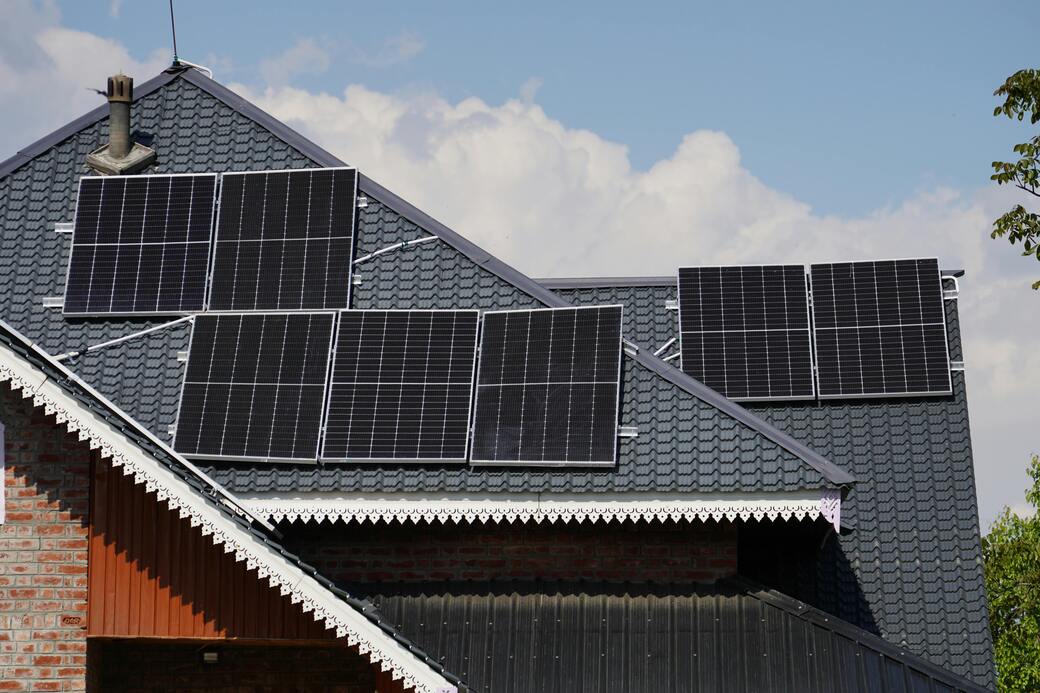
If you’re considering solar panels for your New Hampshire home, you’ll want to avoid several common—but expensive—errors. It’s easy to overlook incentives, misunderstand net metering, or rush into installation without thinking through weather-related challenges. These missteps can drain your savings and complicate your system’s performance. Before you commit, make sure you know which pitfalls could cost you more than you expect and how to sidestep them.
Overlooking Available Financial Incentives
When considering the installation of solar panels, it is crucial to take into account the available financial incentives that can reduce overall costs. Overlooking these incentives is a common oversight that can result in higher expenses associated with solar investments.
In New Hampshire, for example, the Residential Small Renewable Energy Rebate Program, along with federal tax credits and potential state property tax exemptions, can significantly decrease both the costs of installation and long-term energy bills.
By utilizing these incentives, homeowners can effectively shorten the payback period for their solar systems. This approach ensures that investments in solar technology, including panels and batteries, yield optimal financial returns over time.
It is advisable for consumers to collaborate with reputable solar companies that can guide them in accessing all applicable incentives.
Implementing solar energy systems not only harnesses renewable energy but also contributes to financial savings on electricity. An informed analysis of available incentives can lead to more cost-effective solar solutions for homeowners.
Choosing Leasing Over Ownership
Leasing solar panels can initially seem like a more manageable financial option for adopting solar energy. However, it is important to recognize that leasing may not yield the same long-term advantages as owning a solar energy system.
One significant drawback of leasing is the inability to access tax benefits, such as the federal solar investment tax credit and New Hampshire’s Property Tax Exemption. These incentives can lead to substantial savings for homeowners who own their systems outright.
Additionally, owned solar systems have been shown to enhance property value, with estimates suggesting an increase of approximately $18,335. Furthermore, ownership typically allows for more significant reductions in electricity bills over time, as the benefits of appreciation and energy savings accumulate.
It is also worth noting that when leasing a solar system, a third-party company often assumes control over the service and installation of the panels. This arrangement might lead to less autonomy for the homeowner and potentially diminish their peace of mind regarding maintenance and performance.
Before making a decision, it is advisable to assess the solar potential of your roof and evaluate which solar products best meet your energy needs. A thorough analysis can help you determine whether leasing or purchasing a solar system aligns more closely with your financial and personal goals.
Ignoring Net Metering Differences
Understanding your utility provider’s net metering policies is essential for homeowners considering solar energy in New Hampshire. These policies can significantly influence the financial viability of a solar investment. Net metering regulations vary by utility company and state service, directly affecting potential savings on your electric bill.
If homeowners do not take these differences into account, it can lead to variations in the payback period for solar panels and the overall financial benefits derived from such installations. It is advisable to thoroughly review the offerings of residential providers, including the credit structures associated with different systems, as these can differ markedly.
Additionally, assessing the solar exposure of your roof, along with an understanding of your home’s electricity consumption patterns, can provide insight into the potential effectiveness of a solar system.
Homeowners should also consider whether energy storage solutions, such as batteries, are available for their systems. By being informed and considerate of these factors, homeowners can make more calculated decisions regarding solar investments, including consulting with New Hampshire Photovoltaic Systems for tailored solutions, and avoid complications related to their energy management.
Failing to Monitor System Performance
Many homeowners who install solar energy systems tend to underestimate the significance of regular performance monitoring. In New Hampshire, maintaining consistent oversight of your solar system is essential for ensuring that the panels generate sufficient electricity to meet household demands.
This practice not only maximizes the return on investment but also optimizes potential tax credits.
Failure to monitor solar system performance can adversely affect the payback period and reduce monthly savings on electricity bills. Additionally, neglecting this aspect may complicate the realization of benefits from property and state tax exemptions.
Various companies provide monitoring services tailored to enhance system safety and offer peace of mind to homeowners.
In summary, ongoing monitoring is critical for safeguarding the efficiency and longevity of residential solar systems, thereby supporting the anticipated financial benefits associated with solar energy investments.
Underestimating Installation Challenges
While solar panels offer the potential for long-term savings and energy independence, it is important for New Hampshire homeowners to recognize the complexities involved in the installation process. DIY installation may seem like a viable option for reducing costs; however, the intricacies of New Hampshire’s regulations, the variability of roof structures, and the need for compatibility with existing electrical systems can present significant challenges.
Homeowners should ensure that any solar installation company they consider is knowledgeable about state-specific rules, available tax credits, and property tax exemption policies.
Additionally, assessing the solar potential of one’s property is vital, including the evaluation of sun exposure and the optimal angle for panels in relation to the grid.
Effective planning is essential to safeguard the investment in solar technology. A thorough approach not only mitigates potential safety risks but also enhances the efficiency of the system, thereby improving the overall payback period.
This diligent attention to detail ensures that residential solar systems can adequately supply the necessary electricity for the home.
Expecting Continuous Power During Outages
If you are considering the installation of solar panels for your home in New Hampshire, it is important to understand that grid outages can significantly impact your power supply.
Most solar systems in the state are designed to automatically cease electricity production during such outages, a measure that is primarily implemented to ensure the safety of utility workers and the integrity of the electrical grid.
To maintain power during outages, homeowners may need to invest in battery backup systems, which can increase the overall cost of solar installation by approximately $1,199 or more.
It is advisable to seek detailed clarifications from solar providers regarding how their systems function during blackout conditions.
While solar energy systems can lead to savings and may contribute to reduced electricity bills, it is essential to evaluate several key aspects before making an investment.
Inquire about the specifics of panel installation, the availability and implications of tax credits, the expected payback period for the investment, and any relevant tax exemptions.
This information will help you optimize your solar investment.
Conclusion
When you’re considering solar for your New Hampshire home, don’t rush through important decisions. Take the time to research incentives, net metering policies, and provider track records. Be sure your system matches your energy needs, and stay realistic about installation challenges and ongoing maintenance. If you avoid these costly mistakes, you’ll set yourself up for long-term savings and a reliable energy source. Smart planning ensures your solar investment really pays off—without surprise setbacks down the road.